Blog
Insights on developer productivity, time tracking, and building better coding habits.
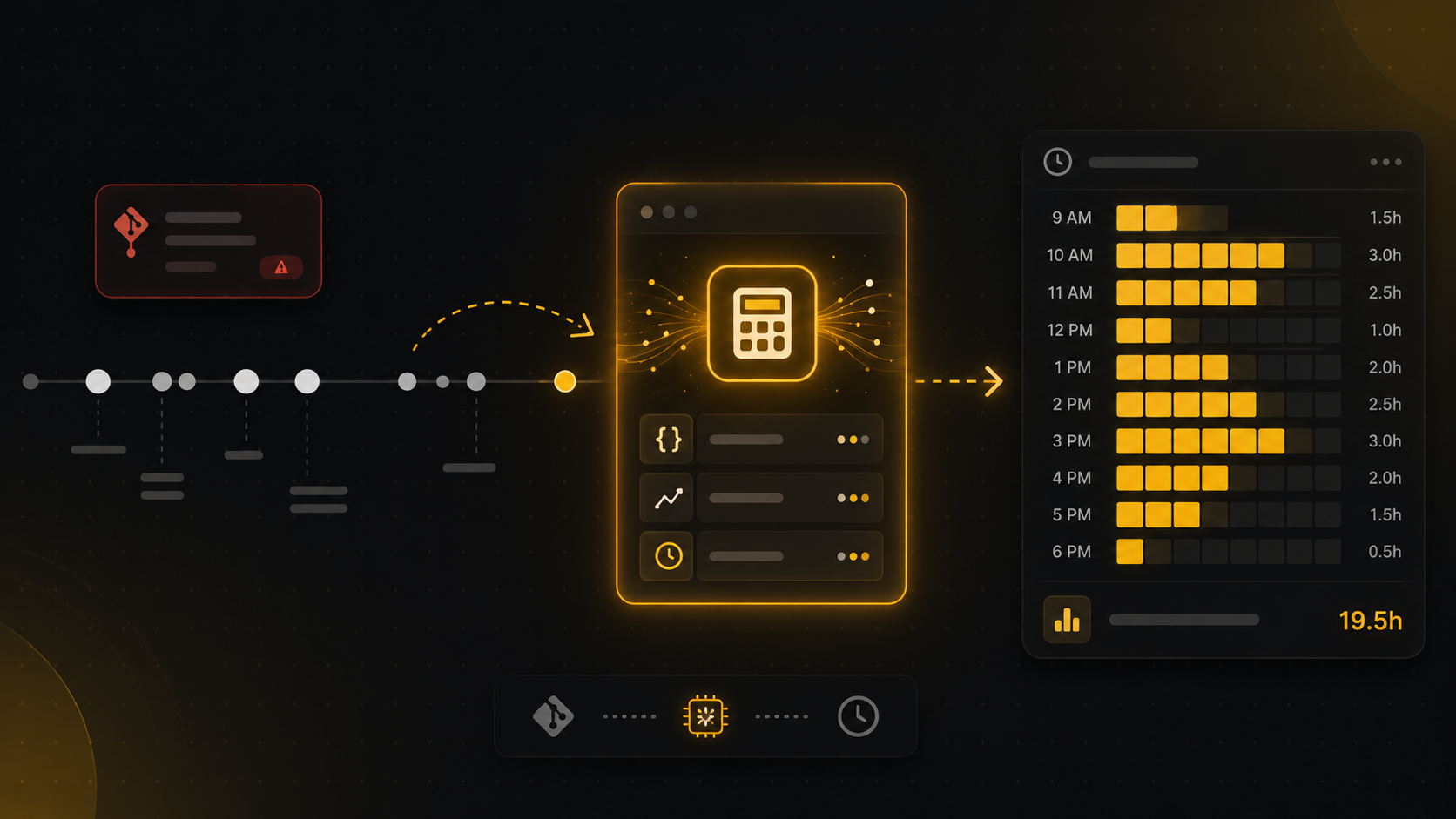
How to Estimate Developer Hours From Commits (a Practical Method for 2026)
A step-by-step method to estimate developer hours from commits: session reconstruction, gap thresholds, and calibration. Plus where git-only estimates break and how to make the number invoice-ready.
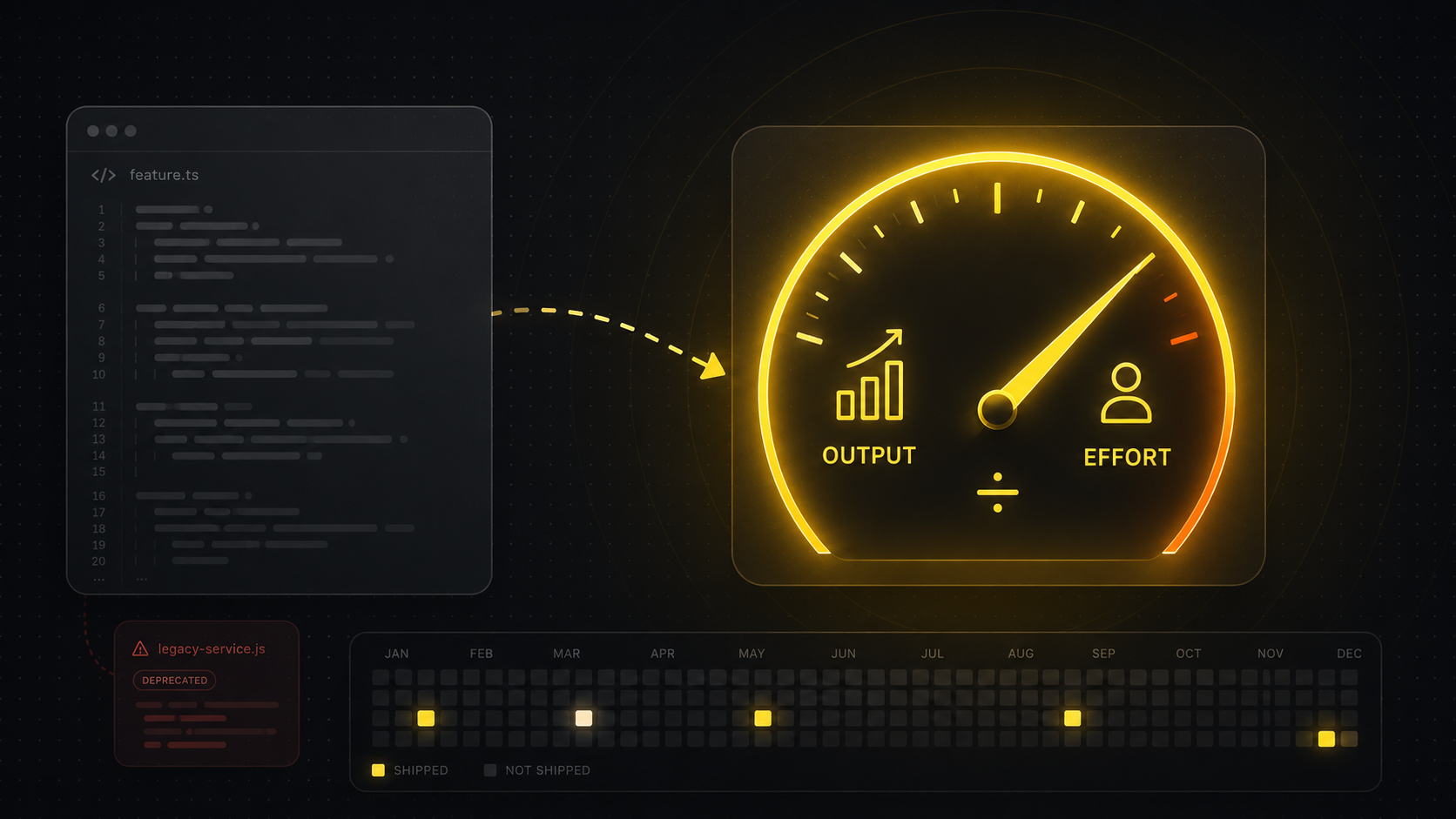
How to Measure AI Coding Productivity in 2026 (a Framework That Holds Up)
Measure AI coding productivity by tracking leverage and shipped output, not lines or tokens. Here is the framework: what to measure, what to ignore, and why commit volume and token counts mislead in the agent era.
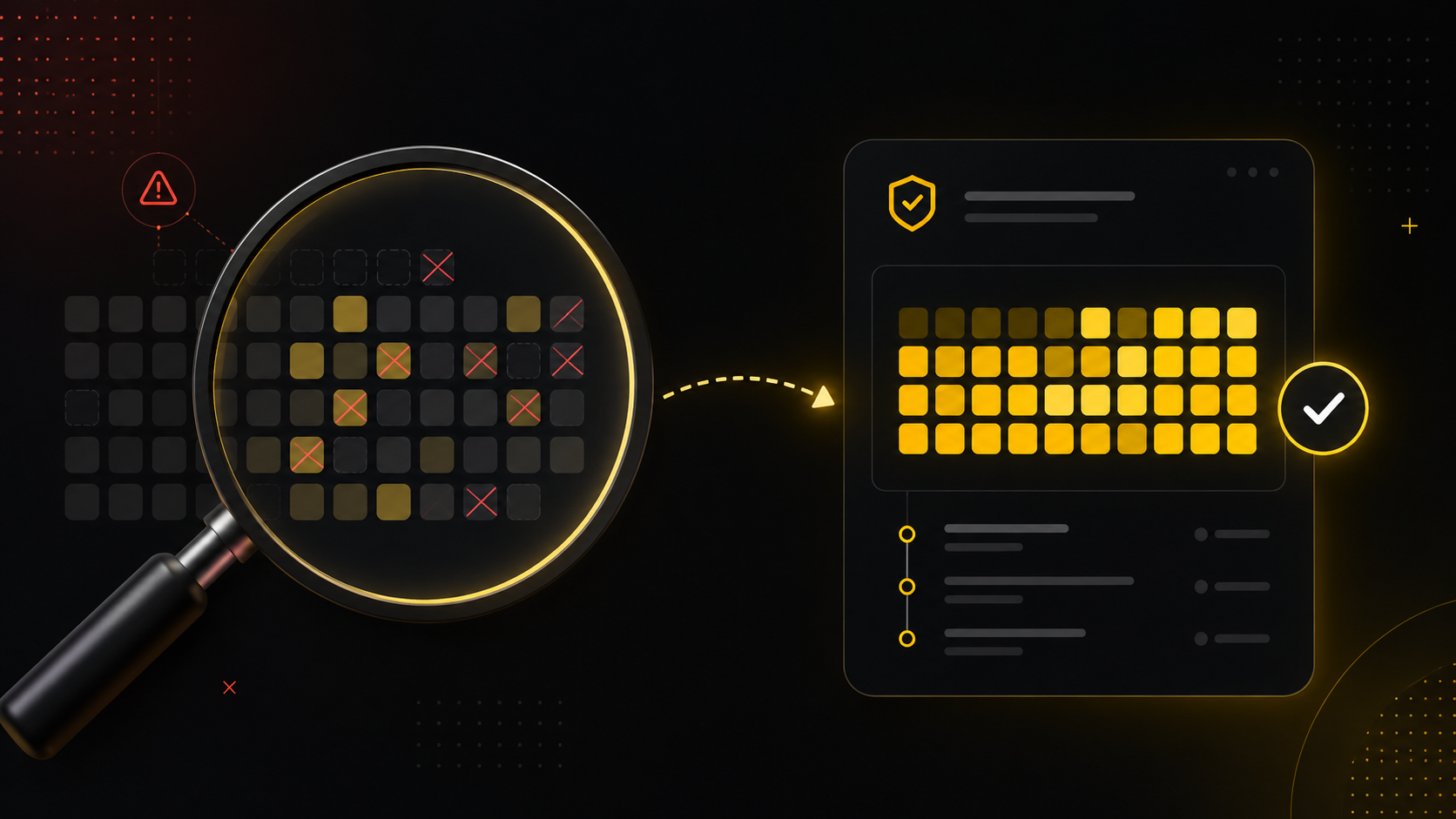
How to Verify GitHub Contributions (and Why the Green Squares Don't)
GitHub's contribution graph shows activity, not proof, and it can be gamed in minutes. Here is how to verify GitHub contributions properly: read the commits, check authorship, and confirm the work behind the squares.
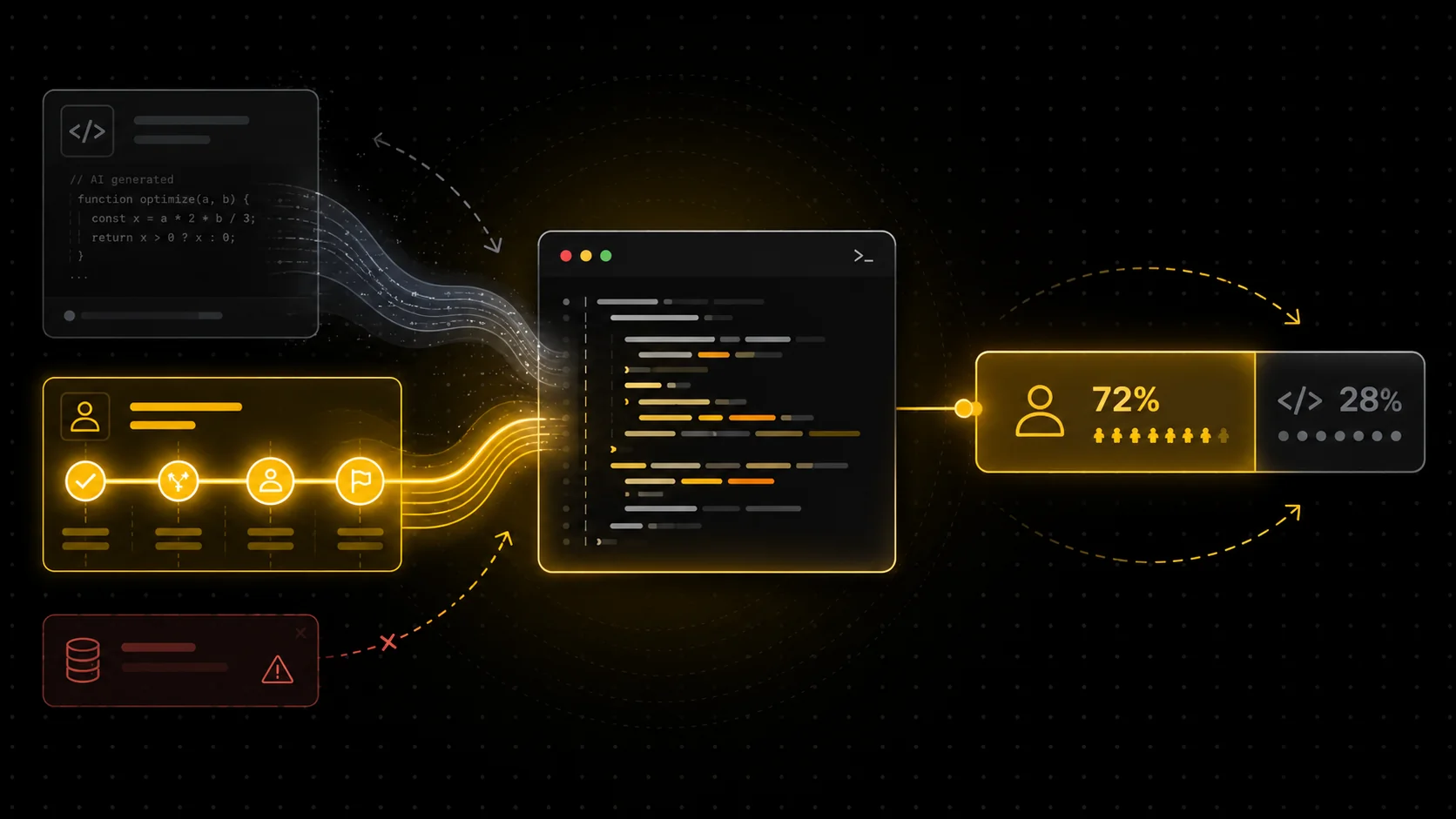
How to Prove Your Code Is Human-Written, Not AI (2026)
You cannot prove code is human written not AI by inspecting the code, because finished output looks identical either way. Here is what actually proves human authorship: provenance, attribution, and an audited record of how the work happened.
Changelog
All updatesMay 25, 2026
New Feature Pages & Comparison Hub
Added dedicated pages for Mac tracking, terminal and MCP workflows, developer intelligence, timesheets, invoicing, and head-to-head comparisons with other developer analytics tools.
March 25, 2026
Mac App & Sidecar
Introduced the Mac App and Sidecar experience for always-on desktop tracking, live session context, project attribution, and synced work-block reviews.
March 3, 2026
MCP Server
Launched the DevClocked MCP server so Claude Code and other MCP-compatible tools can query live coding time, sessions, projects, and weekly summaries from the terminal.
February 24, 2026
Work Block Tracking
Added work blocks as the core unit of tracked development time, grouping activity by workspace and project so mixed sessions can be reviewed, attributed, and billed more accurately.
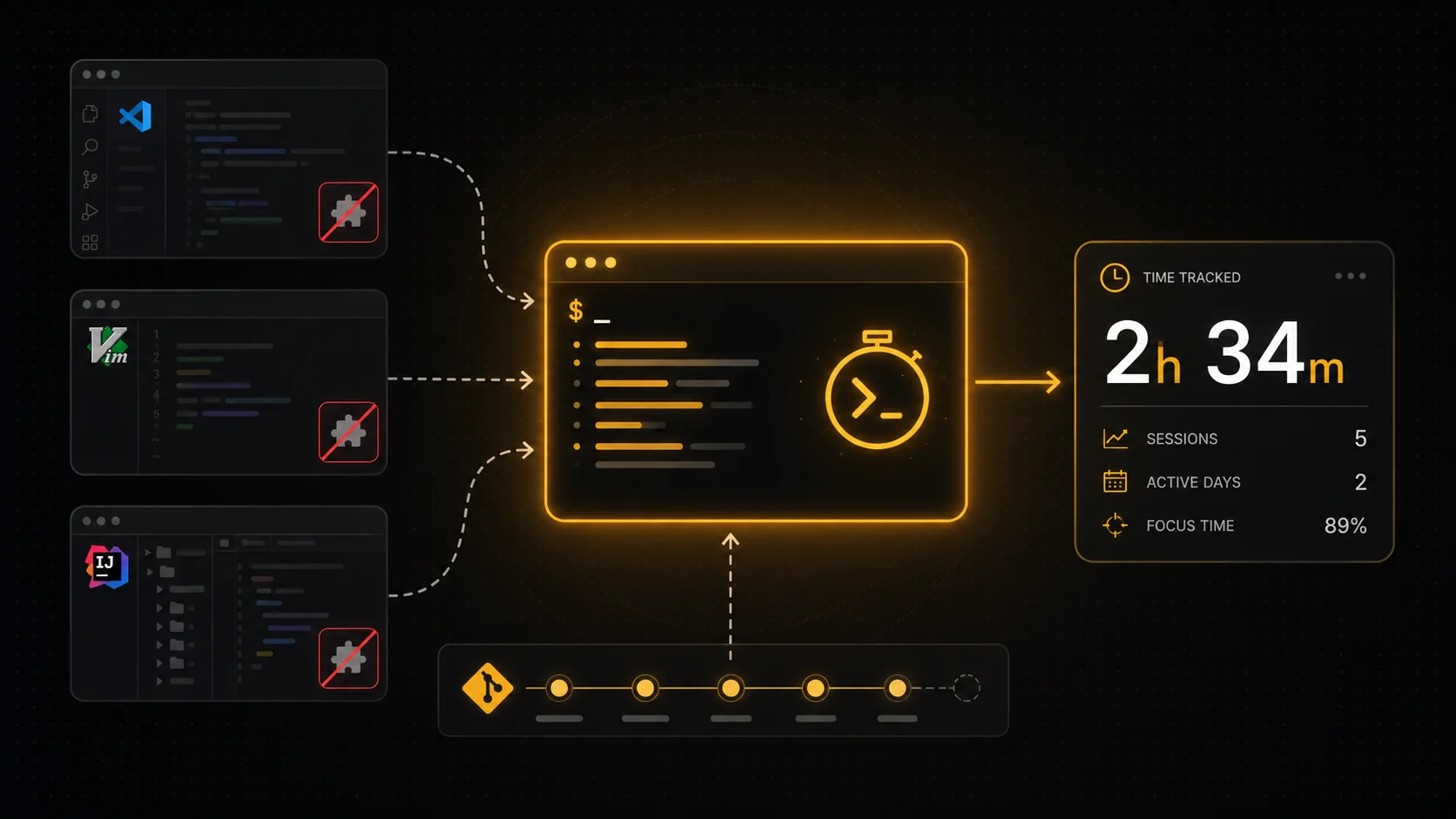
Coding Time Tracker Without an IDE Plugin: What Actually Works in 2026
Want to track coding time without an IDE plugin? Start from a git baseline with nothing to install, then add one editor-agnostic CLI tracker for accuracy. Why per-editor plugins fail, and what to use instead.
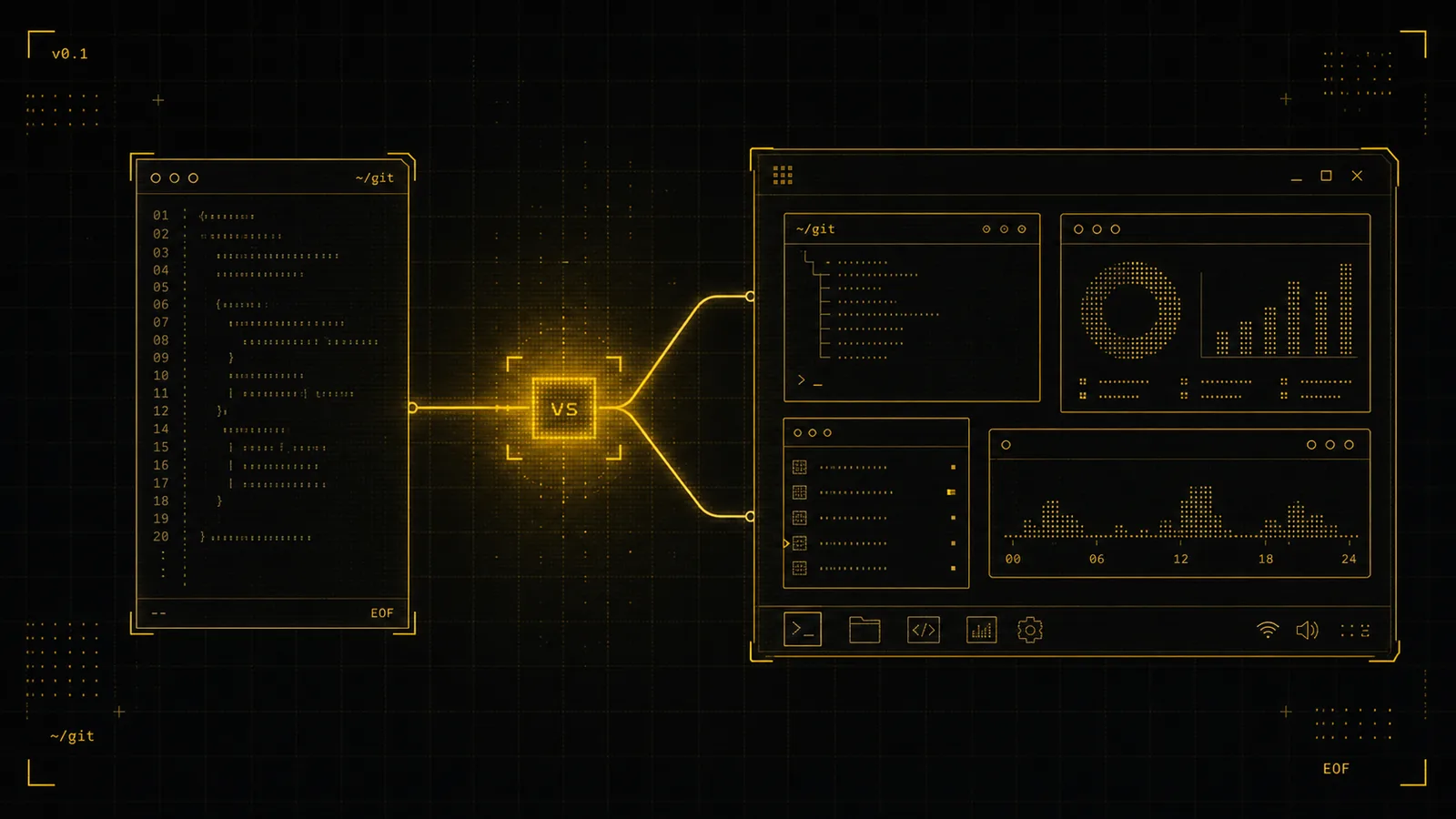
WakaTime vs RescueTime (2026): Code-Level vs Whole-Computer Tracking
WakaTime vs RescueTime compared in 2026. Code-specific editor tracking versus whole-computer time, with an honest verdict, a side-by-side table, and the git-based third option most comparisons miss.
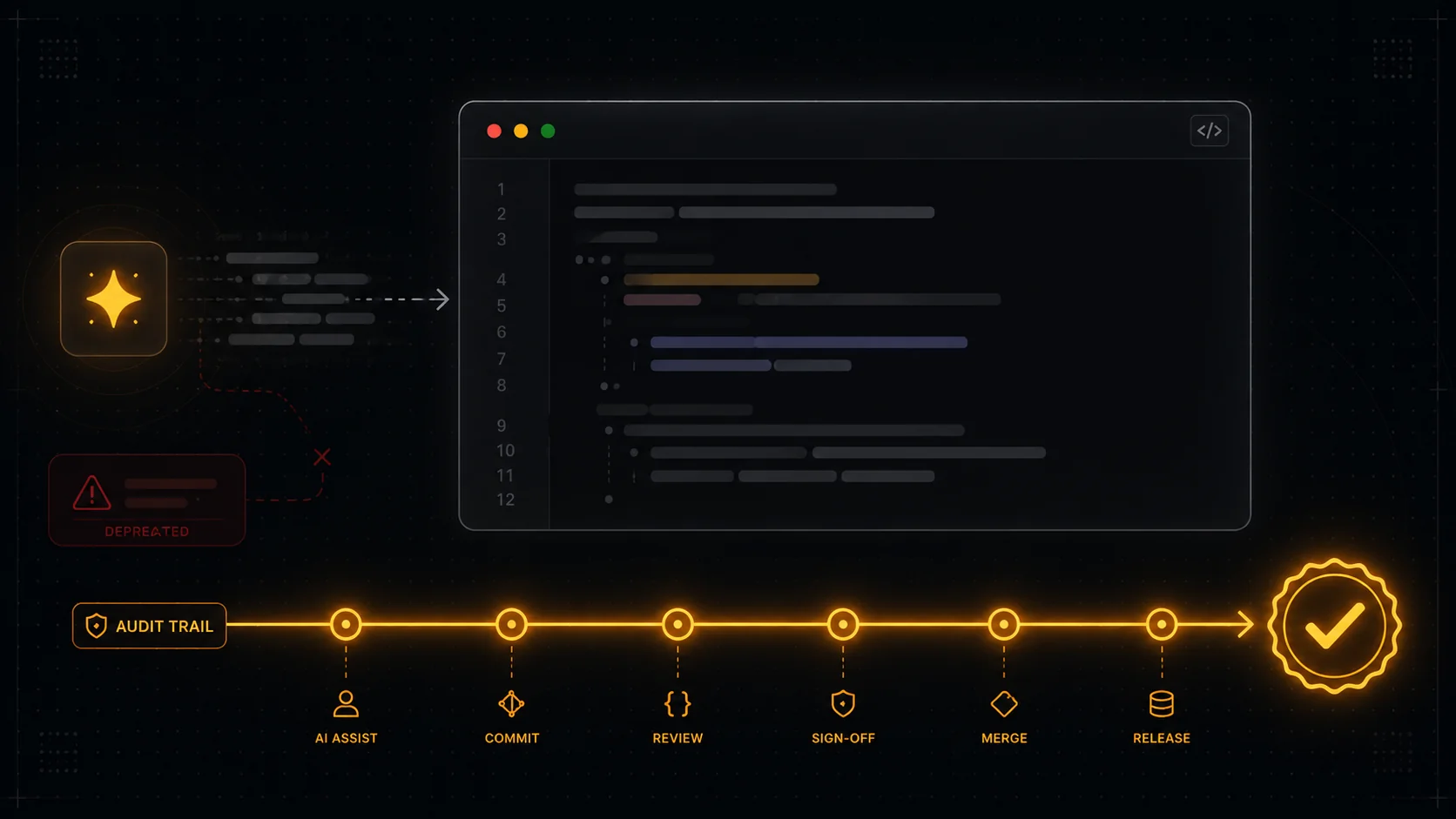
How to Prove You Wrote the Code (Not AI) in 2026
AI writes a large share of code now, so 'I built this' settles nothing. Here is how to prove you wrote the code: provenance, an audited trail, and what actually holds up when someone checks.
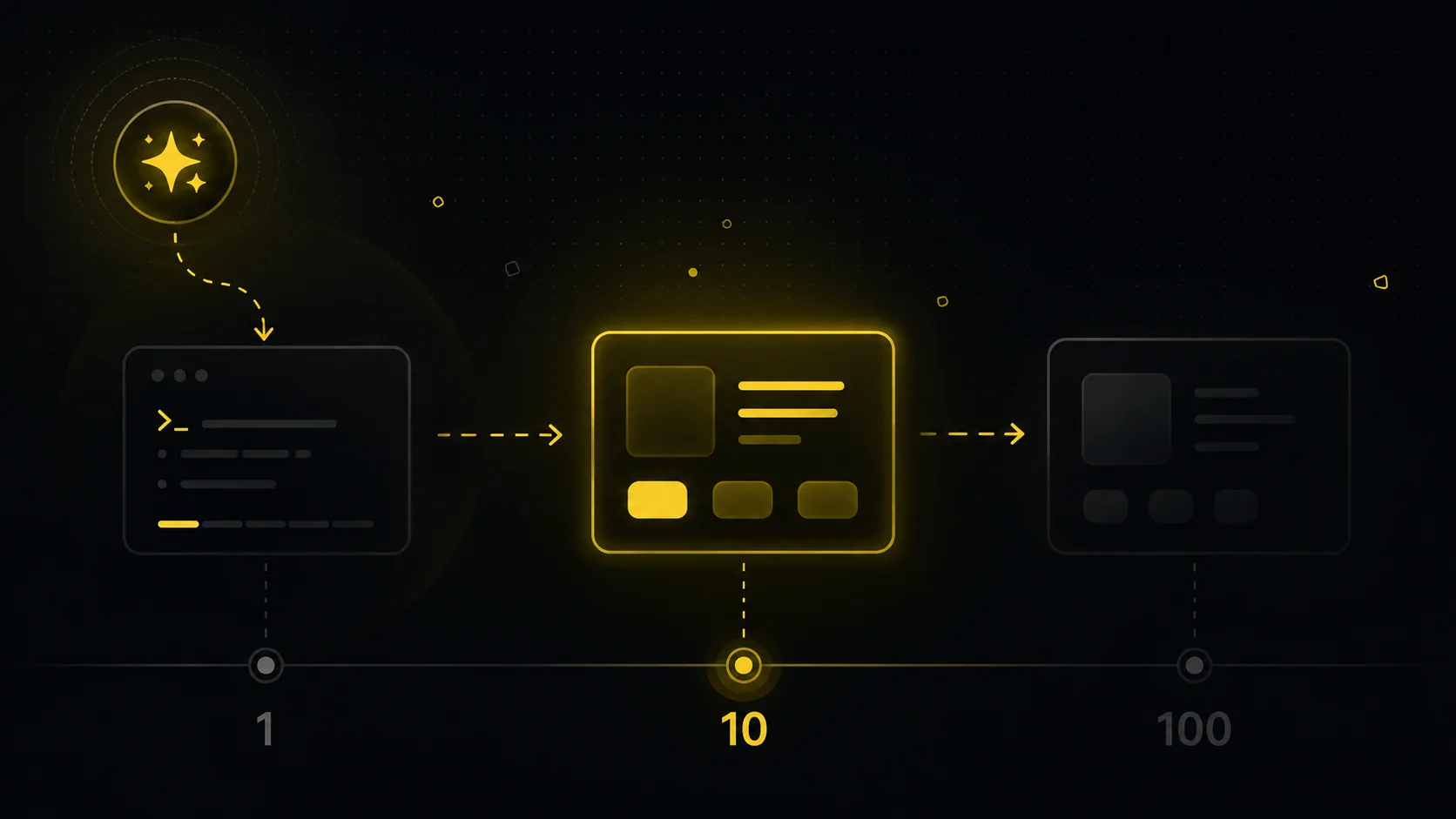
How Long Does It Take to Build an MVP? Real Timelines in the AI Era (2026)
How long it really takes to build an MVP with AI tools like Claude, Cursor, and Codex. Honest ranges by app type, a real case study, and how to prove the timeline.
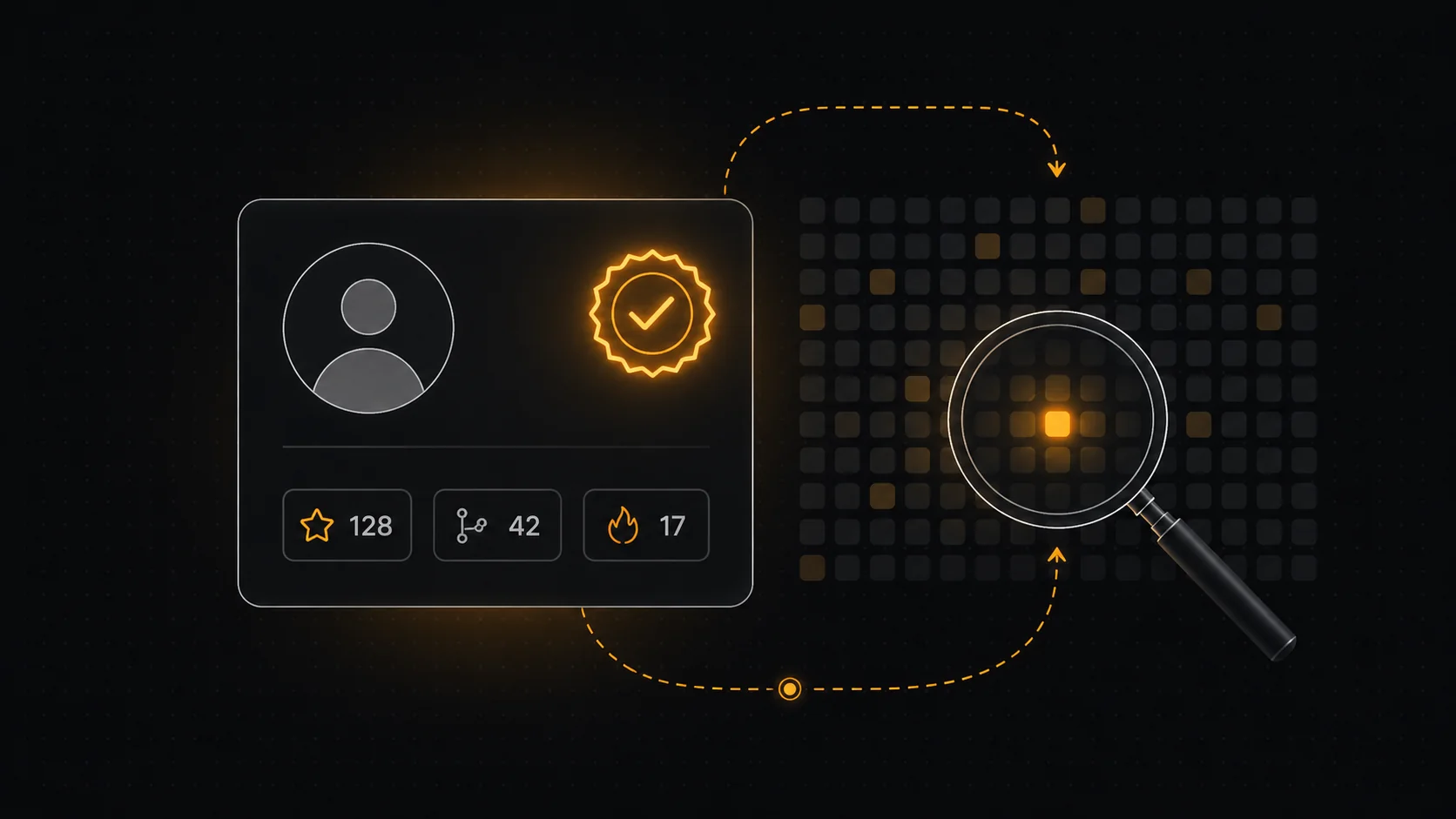
Prove What You Shipped: The Case for Audited Developer Work (2026)
Resumes and green squares are claims, not proof. Why developers need an audited record of what they actually shipped, and how proof of work changes hiring and trust.
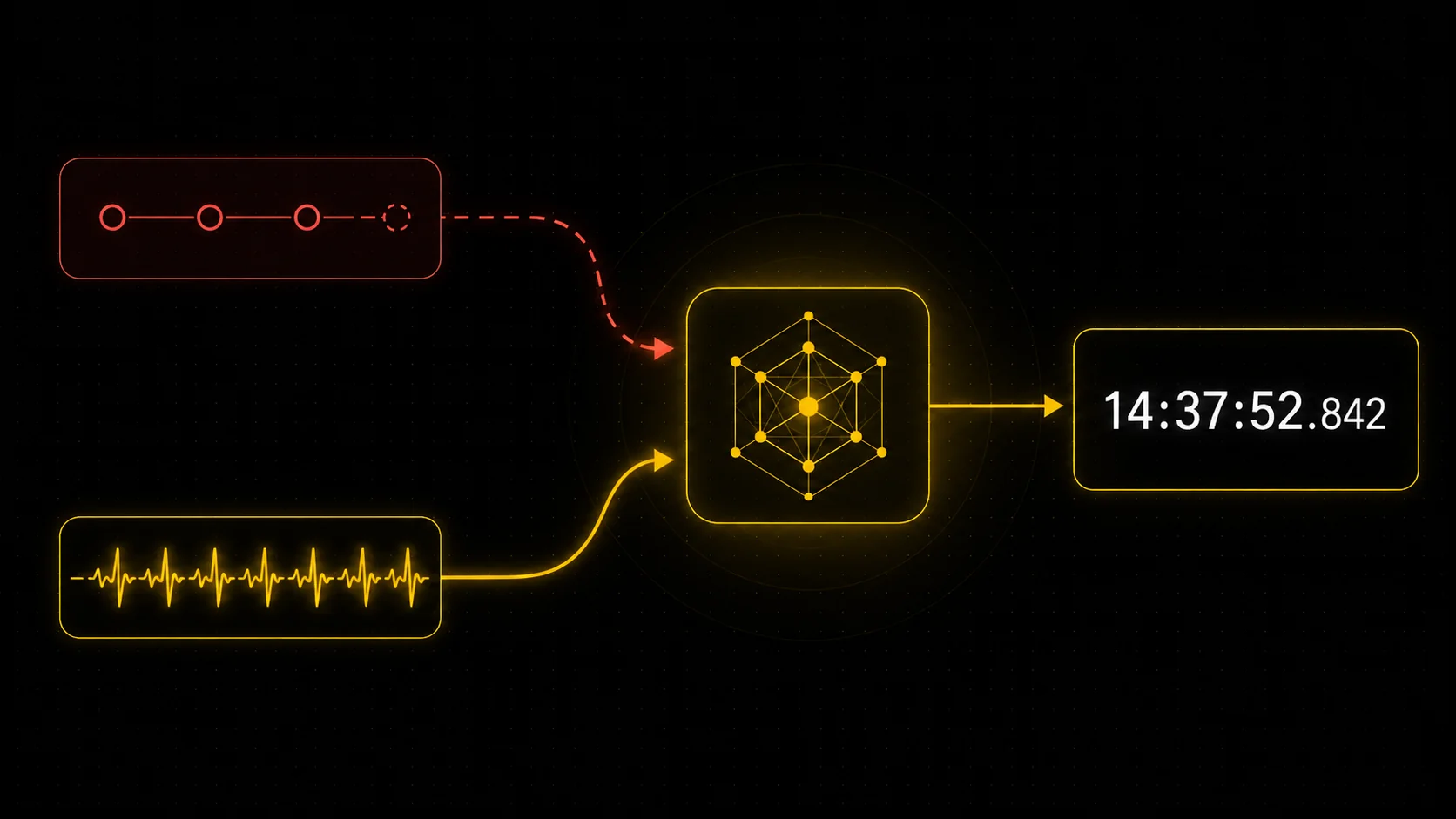
How to Track Coding Time From Git (and Why Git Alone Isn't Enough in 2026)
You can estimate coding time from Git commits, but git alone is a benchmark, not an accurate clock, especially with AI. Why telemetry is the accurate layer, and how to combine both.
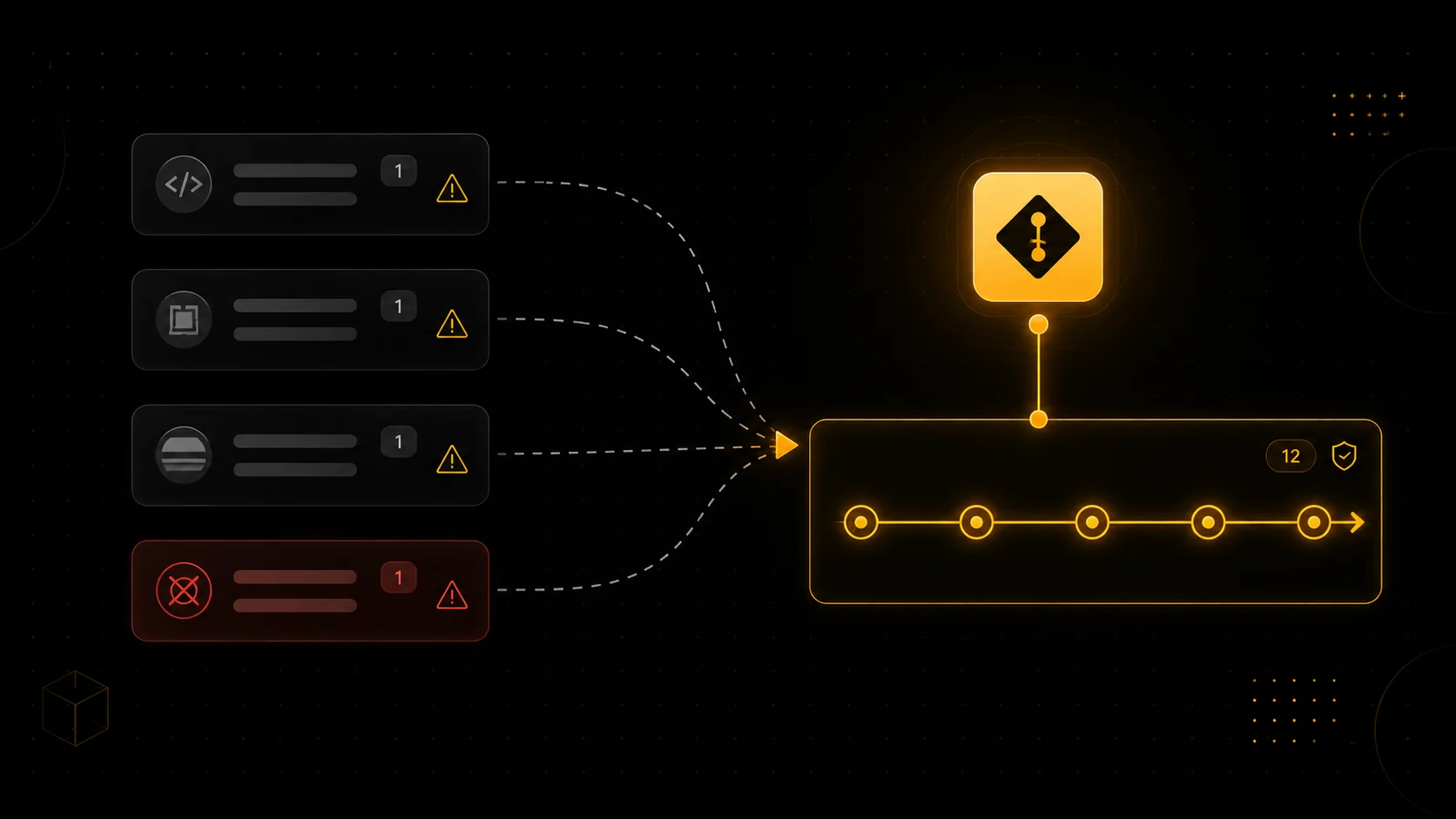
A WakaTime Alternative Without the Plugin (Git-Based, 2026)
Want a WakaTime alternative that works without an IDE plugin? Here is why per-editor plugins miss your work and how git-based tracking captures it across every editor.
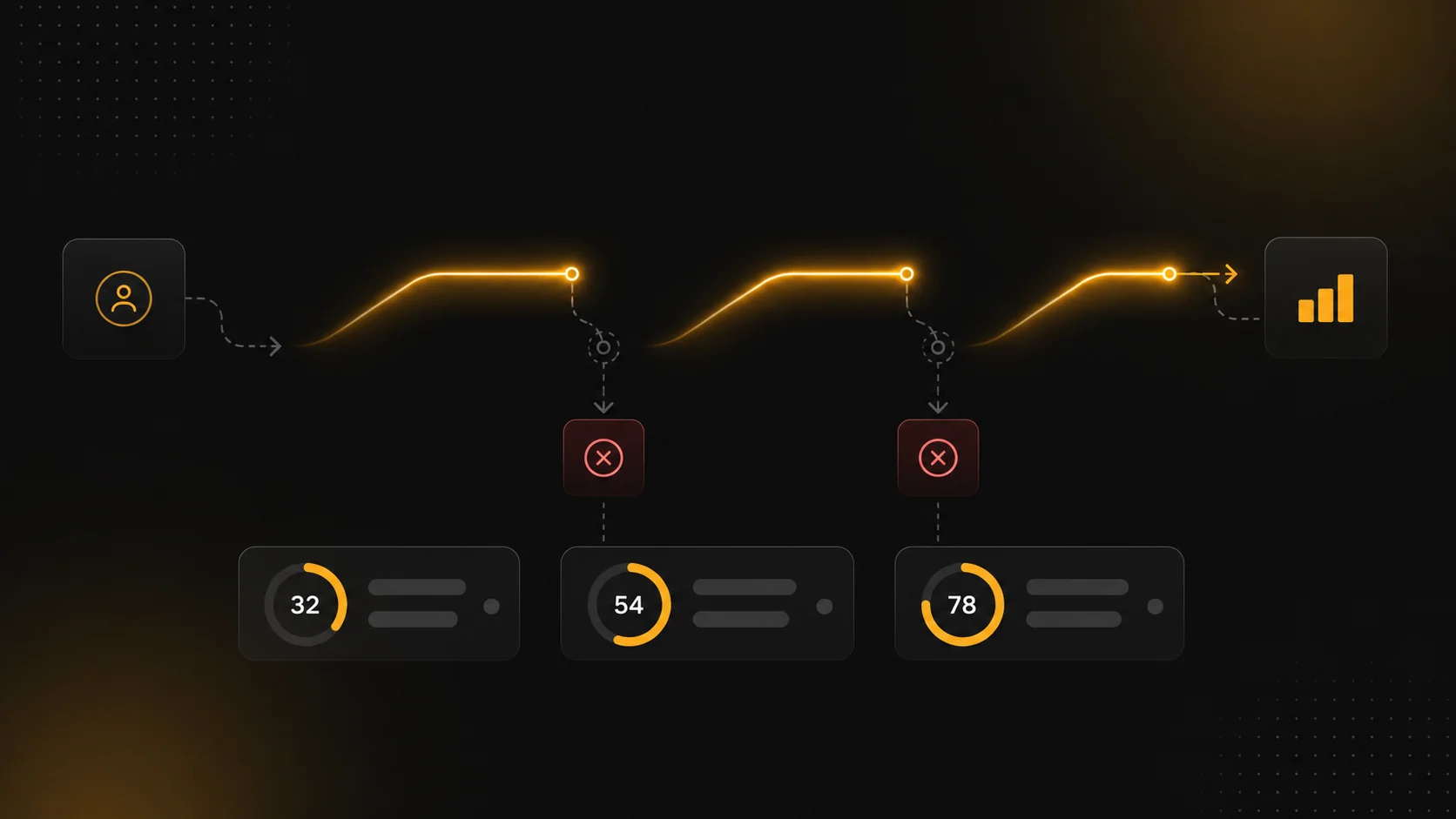
The Real Cost of Context Switching for Developers (With Numbers)
It takes 23 minutes to refocus after an interruption. The real cost of context switching for developers, the yearly math, and how to see and protect your deep work.
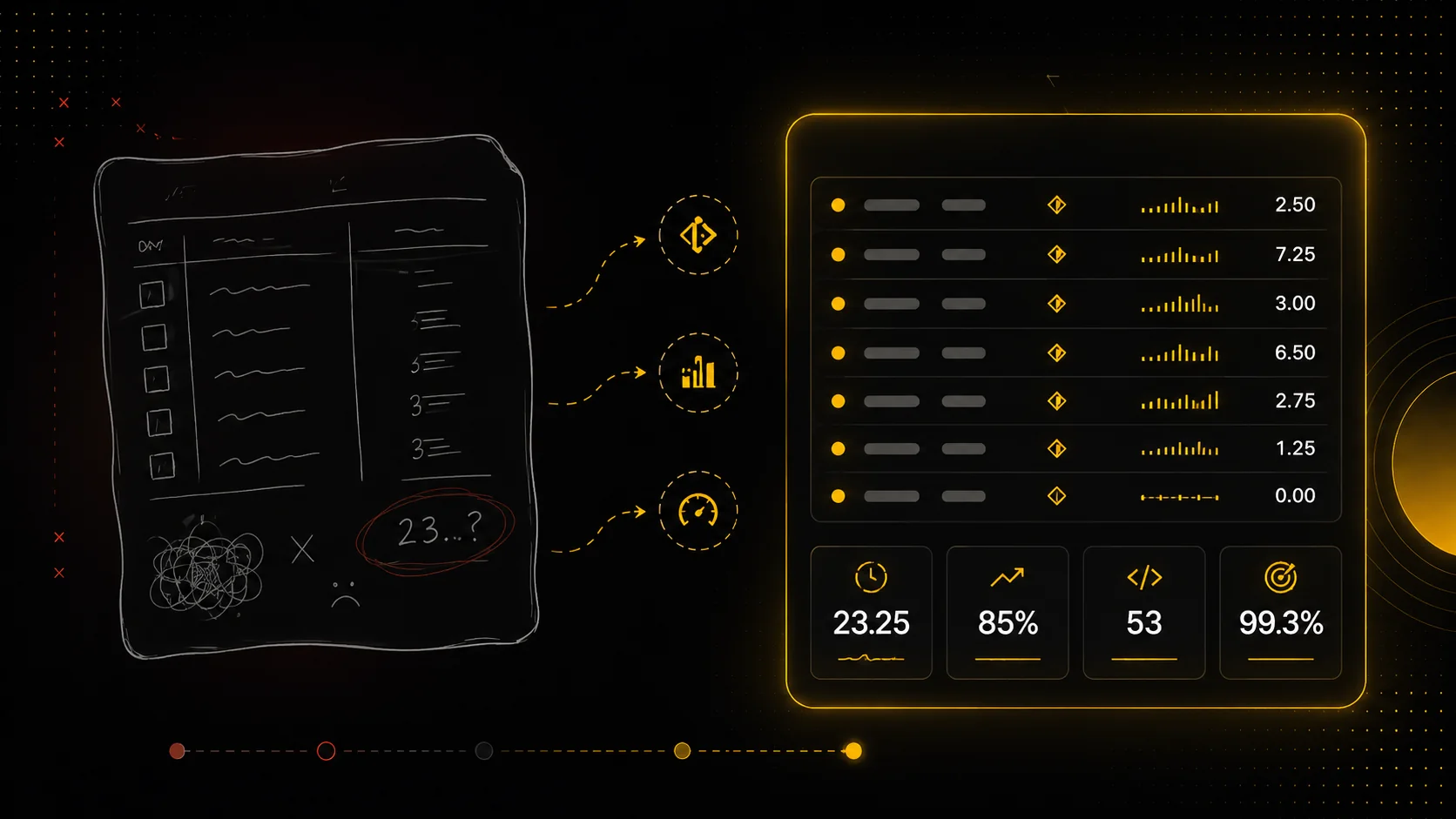
Why Manual Timesheets Lie (and What Git-Based Tracking Shows Instead)
Developers overestimate productive time by up to 40%. Why memory-based timesheets are inaccurate, what it costs, and how git-based tracking gives you honest hours.
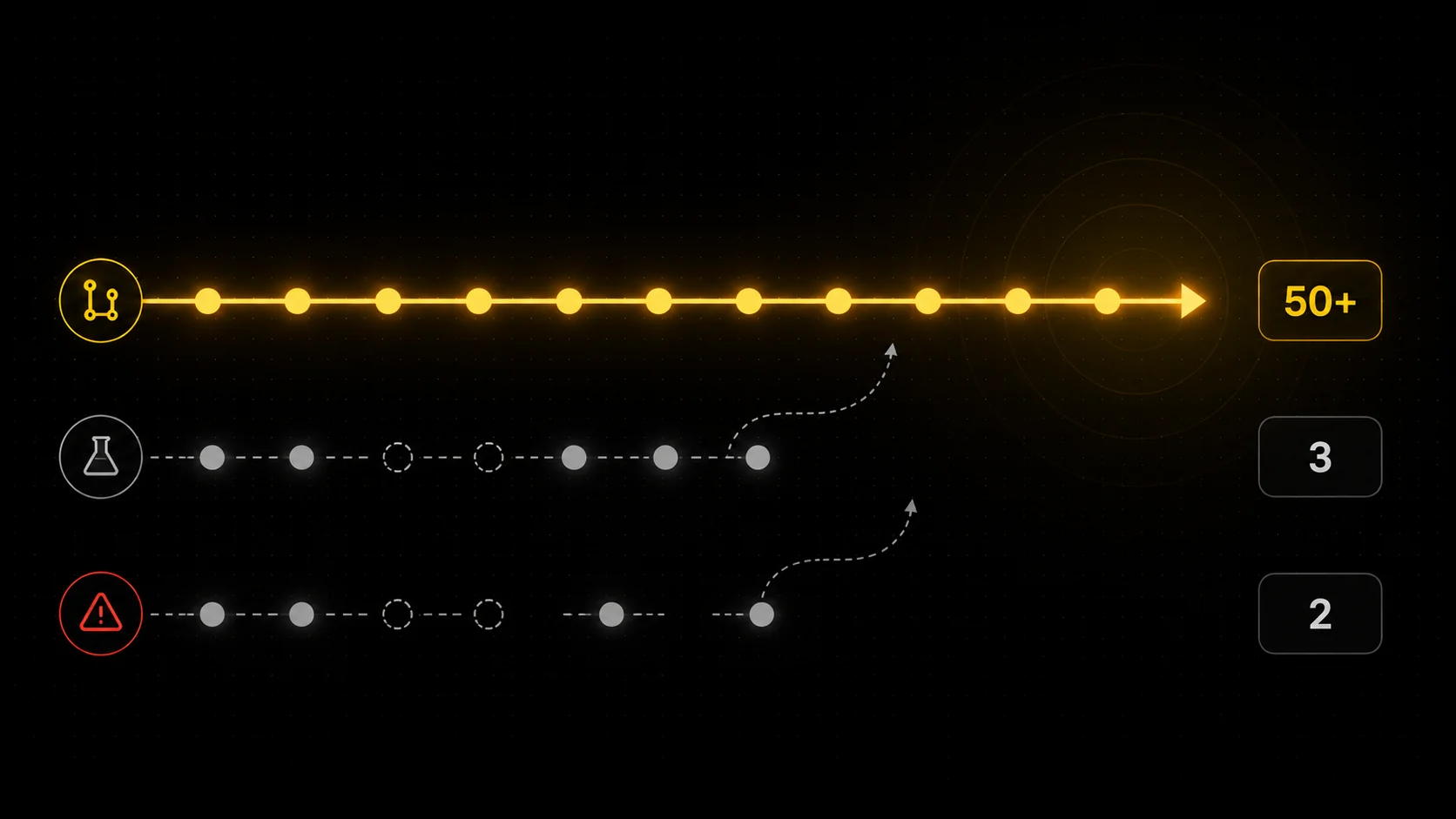
How to Measure Flow State Without Breaking It (2026)
Traditional productivity tracking destroys the flow state it tries to measure. How to measure deep work passively, from your real coding activity, without interrupting it.
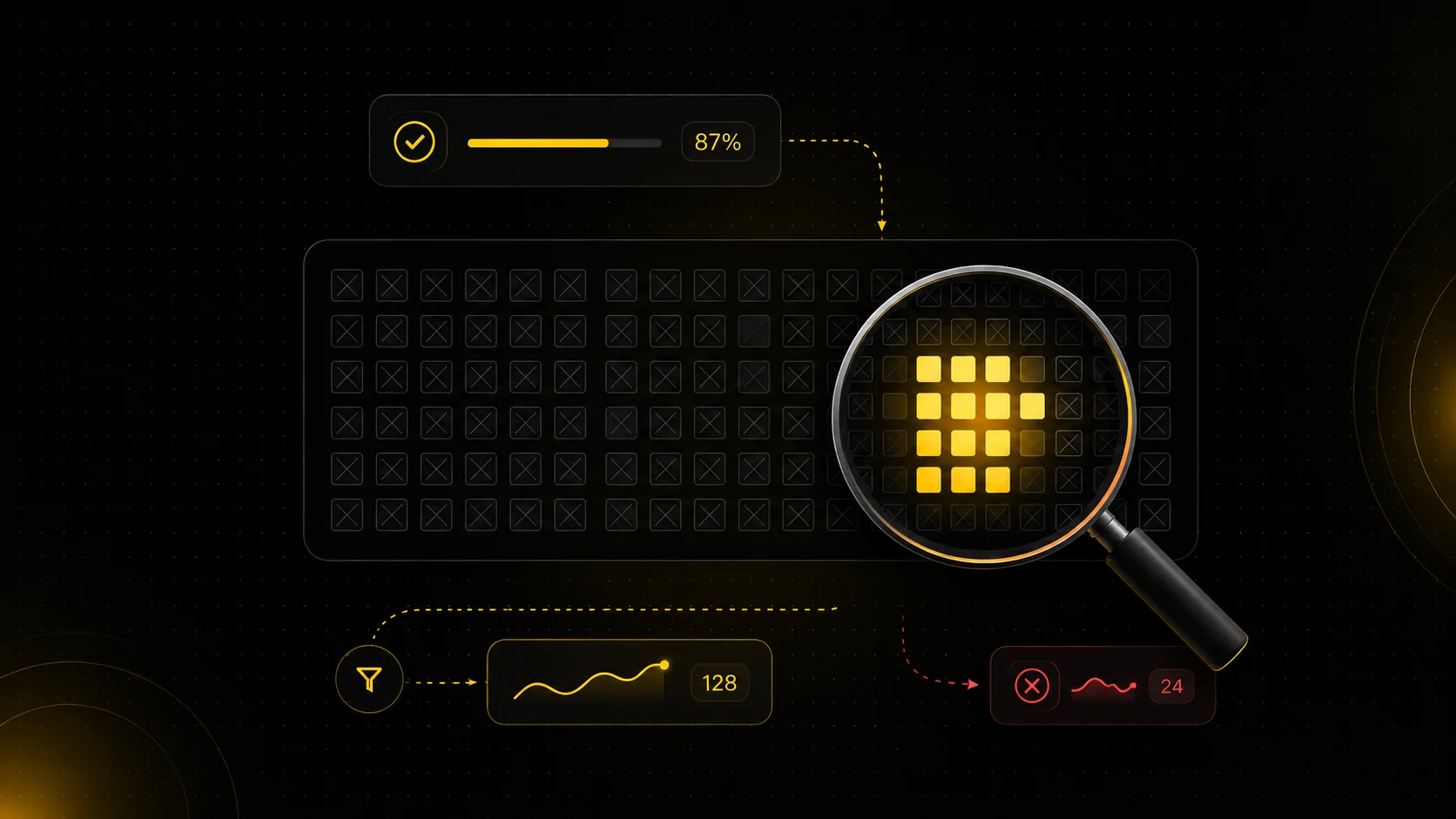
Why GitHub Green Squares Don't Prove You Did the Work (2026)
GitHub's contribution graph rewards activity, not impact, and it can be gamed. Why green squares mislead, what they hide, and what actually proves your work.
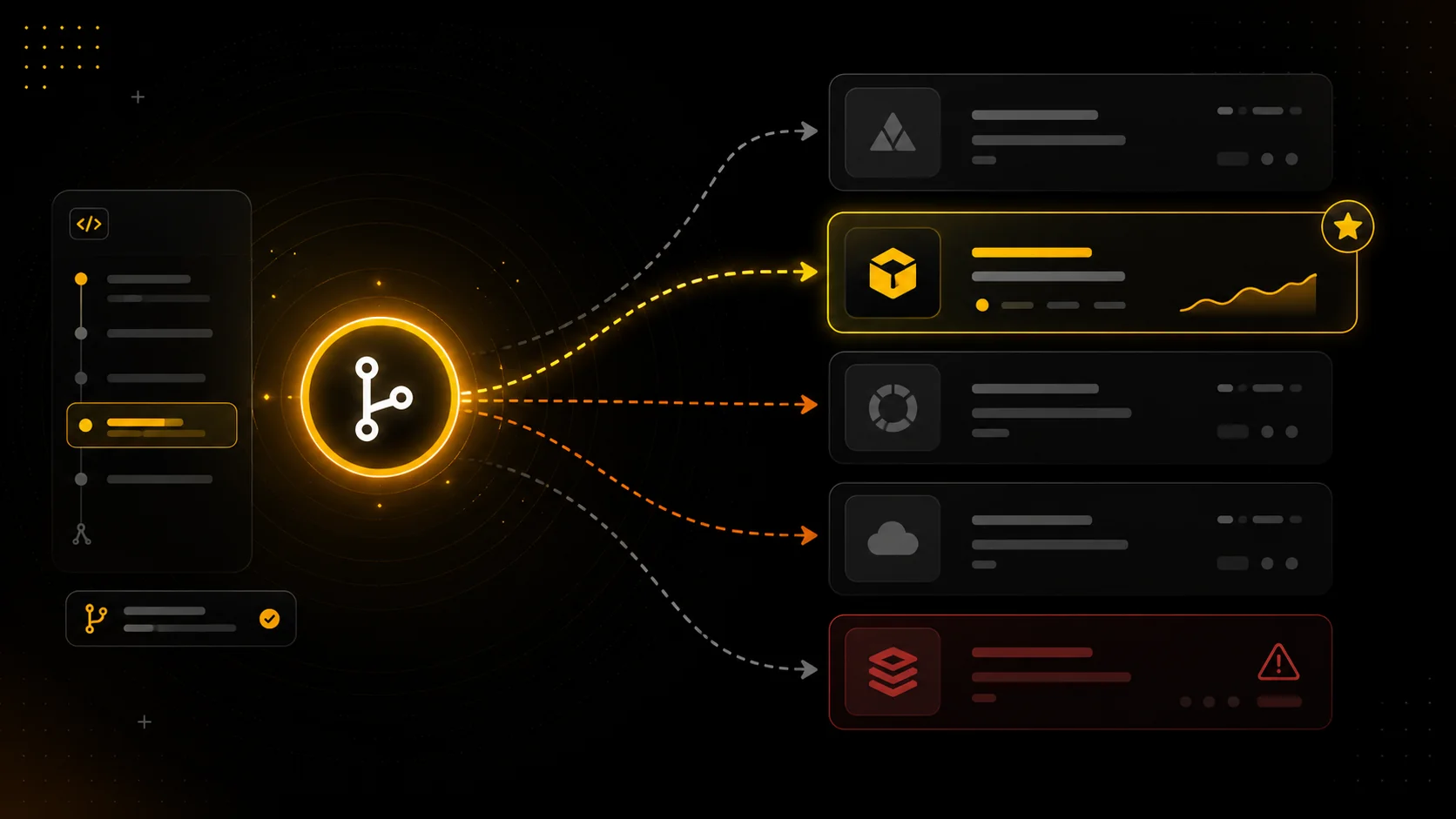
Best WakaTime Alternatives in 2026: Work-Block Attribution Picks
The best WakaTime alternatives in 2026, tested and ranked. Compare work-block attribution, multi-project sessions, agentic coding tracking, IDE plugins, and free options.
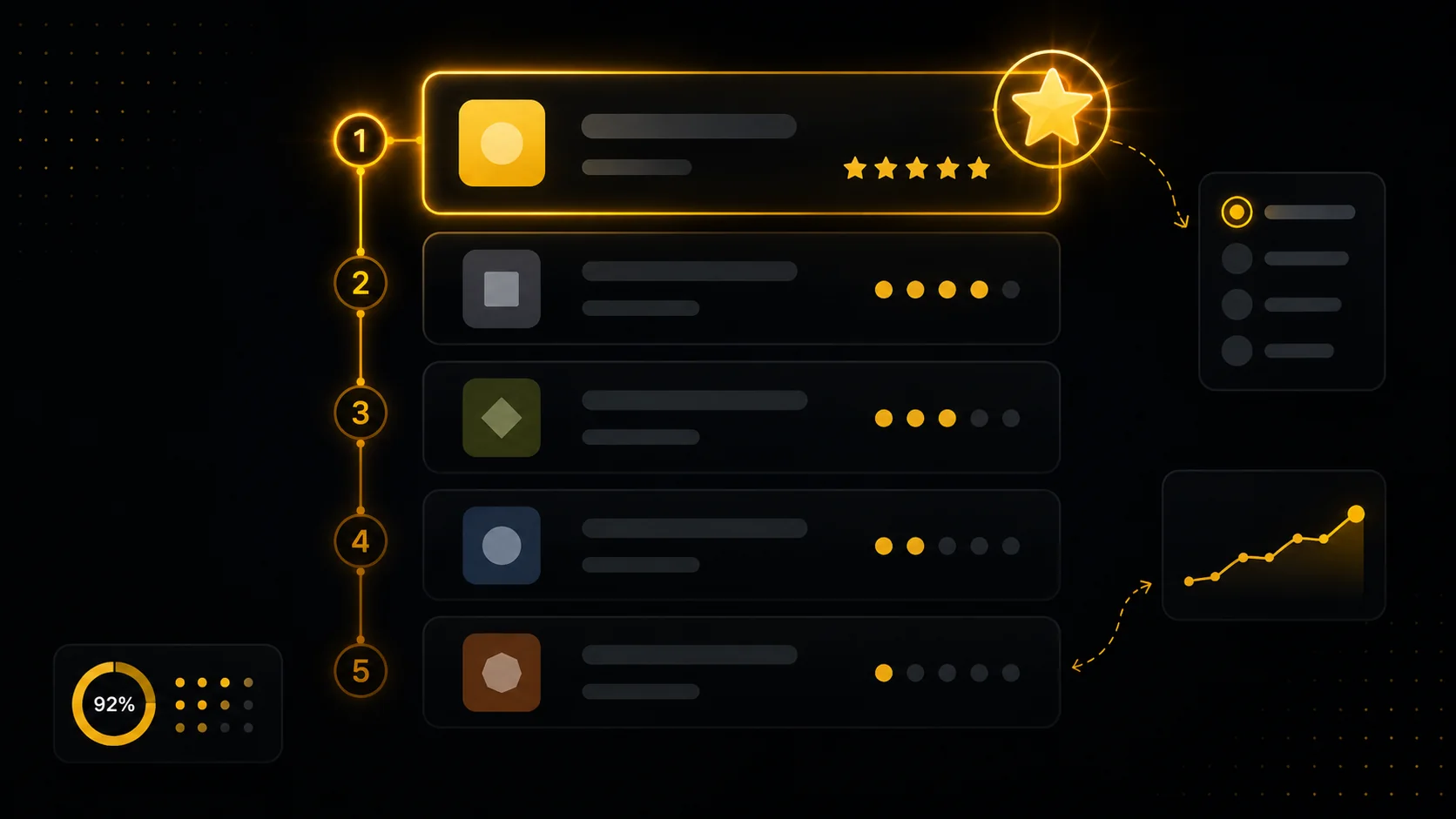
9 Best Time Tracking Tools for Developers in 2026 (Tested + Ranked)
The best time tracking tools for developers in 2026, tested and ranked. Git-based, plugin, whole-computer, and manual options compared for accuracy and friction.
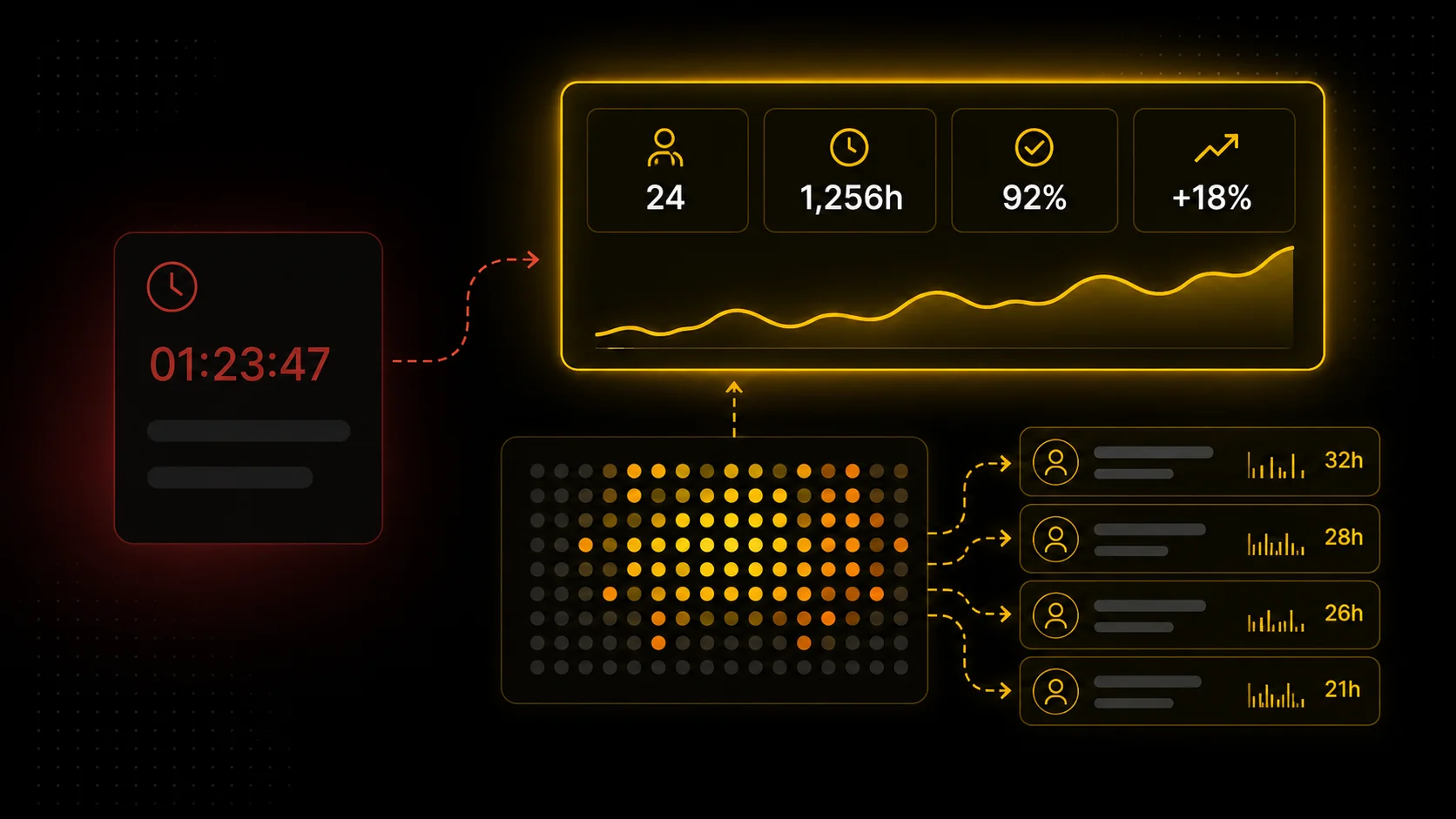
Best Clockify Alternatives for Engineering Teams (2026)
Clockify is built for general manual time tracking, not code. The best Clockify alternatives for engineering teams in 2026: automatic, code-aware, git-based options.